Radiation in Action: Nuclear Science Doing Good Work
August 8, 2025
.png)
At Stuart Hunt & Associates, we’re passionate about promoting the safe, regulated, and purposeful use of nuclear technologies. While much of our work focuses on industrial radiation safety and compliance, it’s inspiring to see how this science is also being used to protect one of the world’s most threatened species: the rhino.
Why Rhinos? Why Now?
Rhino horns are made primarily of keratin, the same protein found in human hair and fingernails. This means that if the horn is cut properly without damaging the growth plate at the base, it can indeed grow back over time.
South Africa is home to approximately 16,000 rhinos—both White and Black (Critically Endangered) species. Roughly 500 are poached annually, meaning nearly one rhino is killed every day.
Why do poachers usually kill rhinos rather than just dehorning them?
There are a few reasons for this:
- Speed and risk: Poachers operate illegally and want to act quickly. Killing the animal ensures it won't move, attack, or make noise.
- Profit motive: Sometimes, poachers take the entire horn, including tissue from the base, which yields more material. This can only be done if the rhino is dead.
- Cruel misinformation or superstition: In some cases, poachers believe killing the animal or taking the horn while it is "fresh" adds value or potency, especially in traditional medicine markets.
Rhino horn commands an illegal market value higher than gold or platinum, making it a prime target for wildlife crime.
Project Marks a Milestone
The Rhisotope Project, led by the University of the Witwatersrand in partnership with the International Atomic Energy Agency (IAEA) and other organizations, is a groundbreaking initiative that uses trace amounts of radioactive material to make rhino horns detectable at borders and unattractive to poachers.
.png)
Image from the Rhisotope Project | Freepik
How It Works
- Measured doses of gamma-emitting radioisotopes are carefully embedded into rhino horns, making them detectable by radiation portal monitors (RPMs) found in ports and airports worldwide
- The project confirmed that even concealed horns inside full 40-ft shipping containers triggered alarms reliably
Safe, Scientific, and Rhino-Safe
- Over six years of preparatory testing culminated in the 2025 pilot, involving health monitoring and biological dosimetry to rule out cellular damage
- Monitoring by Ghent University scientists found no micronuclei in white blood cells—an industry-standard sign that the procedure is safe
- Funded and supported by the IAEA, this initiative leverages existing nuclear-security infrastructure to protect rhinos from illegal trafficking
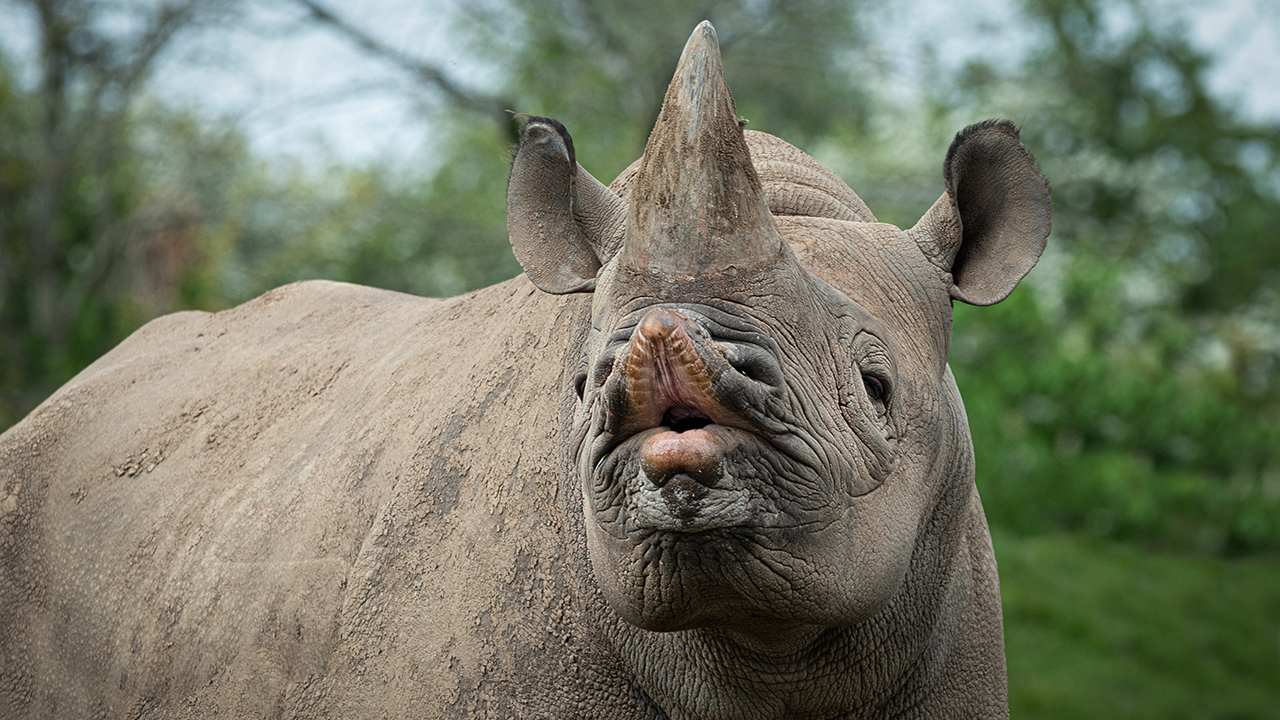
This is a powerful example of how nuclear science, when responsibly managed, can address global challenges beyond industry, from healthcare to conservation. It also reminds us of the importance of public education and myth-busting around radiation.
If you’re interested in the details, we recommend learning more through the Rhisotope Project.
Sources:
#RadiationSafety #RhisotopeProject #NuclearScience #IAEA #ConservationTech #StuartHunt #NuclearForGood #RadiationAwareness #WildlifeProtection